

Thinking About a Garden Sauna? Here's What I'd Tell You First
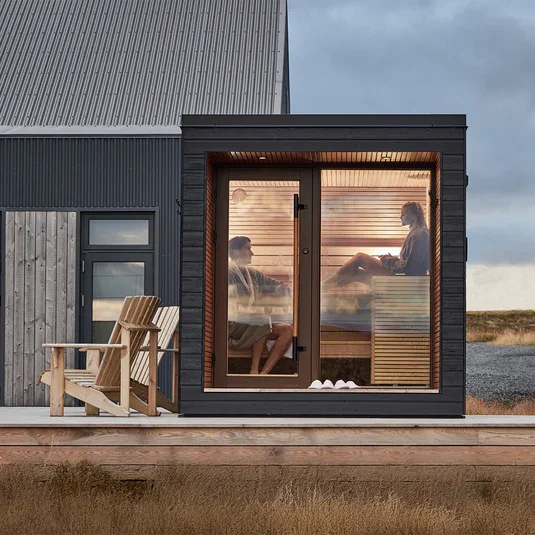
What to choose, what it costs and how to get it right
Garden saunas are having a real moment. A few years ago, a sauna in the garden felt like something you would only find in a Nordic spa or a footballer's back garden. Now it is one of the things I get asked about most, and 2026 has tipped it from niche to completely mainstream, with saunas and cold plunges turning up everywhere.
I love it, because a sauna is one of those rare additions that genuinely changes how you use your garden. It gives you a reason to be outside in January, not just July. But here is the bit people skip: a sauna is only as good as the way it is designed into your space. Drop one on a slab in the corner and it looks like a shed. Design it in properly, with the right spot, the right approach and the right planting around it, and it becomes the place everyone wants to be.
So here is everything I would talk through with you if you were thinking about one.
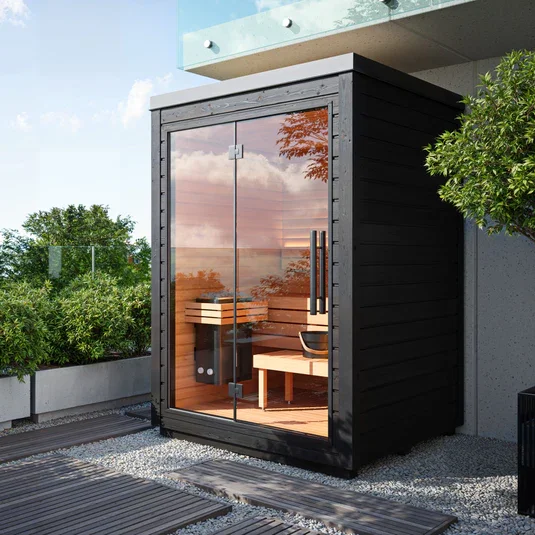
Why everyone suddenly wants a garden sauna
Part of it is the wellness thing, which is not going anywhere. We have all got a bit more serious about looking after ourselves, and the Scandinavians have been quietly proving for decades that a regular sauna is good for you. Part of it is that we are spending more on our gardens and want them to work all year, not just for the few warm weeks of a British summer. And part of it, honestly, is that they have become better looking and a bit more affordable than they used to be.
The health bit, and I will be honest with you
There is genuinely good research behind saunas, a lot of it out of Finland where they take this seriously. One big long-term study found that people using a sauna two or three times a week had around a 22% lower risk of dying from heart disease than those who only went once, and the regulars did better still. Beyond the headline stuff, regular sauna use is linked to lower blood pressure, better sleep, less stress and quicker muscle recovery, which is why so many people who train swear by them.
I would just say two things. These are associations from studies rather than a magic cure, so take the boldest claims with a pinch of (Himalayan) salt. And if you have a heart condition or you are pregnant, have a quick word with your GP before you start. Other than that, the main side effect is feeling lovely and a little smug.
The choices you will need to make
This is where it helps to have someone in your corner, because there are a few decisions and they all affect each other.
Wood-fired or electric? I will nail my colours to the mast here: for most gardens, I recommend electric. A good electric sauna is just so much easier to live with. Many are app-controlled, so you can warm it up from your phone on the way home and it is ready in under half an hour. A wood-fired one has gorgeous ambience and a proper ritual to it, the crackle, the smell, but it is more effort and more time every single time, plus logs to store and a flue to think about. The one thing to watch with electric is the power: the bigger heaters often need more than a standard plug socket, so you may need a higher-rated supply run out to it. Worth knowing before you fall for a particular model.
Traditional or infrared (red light)? A traditional sauna gets properly hot and lets you throw water on the stones for that lovely wave of steam, which is the experience a lot of people are after, and it is sociable. Infrared, sometimes called red light, works differently, warming your body directly at a lower temperature. It is gentler, cheaper to run and often more compact, but it is a quieter, usually more solo experience. Neither is wrong, it just depends what you are after.
Flat-packed or ready-made? Flat-pack kits are cheaper and easier to get down the side of the house, but someone has to build them and the finish can be hit and miss. Ready-made cabins arrive beautifully finished and go in fast, sometimes craned over the house, but you pay for that, and we need to think carefully about access.
A porch, or not? This is one of those small details that makes a big difference. A little covered porch on the front gives you somewhere to kick off your shoes, hang a robe, leave your towel and sit for a minute to cool down between rounds, all without standing in the rain. And this being Britain, there will be rain. It costs a bit more and takes a bit more room, but I nearly always think it is worth it.
Shower, changing and the whole setup? The hot bit is only half the magic. The cold bit, a cold shower or a plunge straight after, is what really wakes you up and does a lot of the good. So we will talk about whether you want a shower built in, an outdoor one nearby, or a cold plunge alongside. Some makers now do whole integrated wellness suites, with changing rooms, showers and even a dedicated ice-bath room finished in tile and timber. Lovely if you have the space and the budget. Either way it comes down to plumbing, drainage and a bit of privacy, all of which needs designing in from the start.
Do not forget the path
Here is something people almost always forget, and it is the difference between a sauna you use all year and one you use twice. You need a proper, usable path from the house to the sauna. If getting there in February means picking across a soggy, slippery lawn in bare feet, you simply will not bother. A well-made, well-lit path, ideally with a bit of shelter, is what turns a fair-weather toy into a year-round habit. I plan this in every time.
What does it cost?
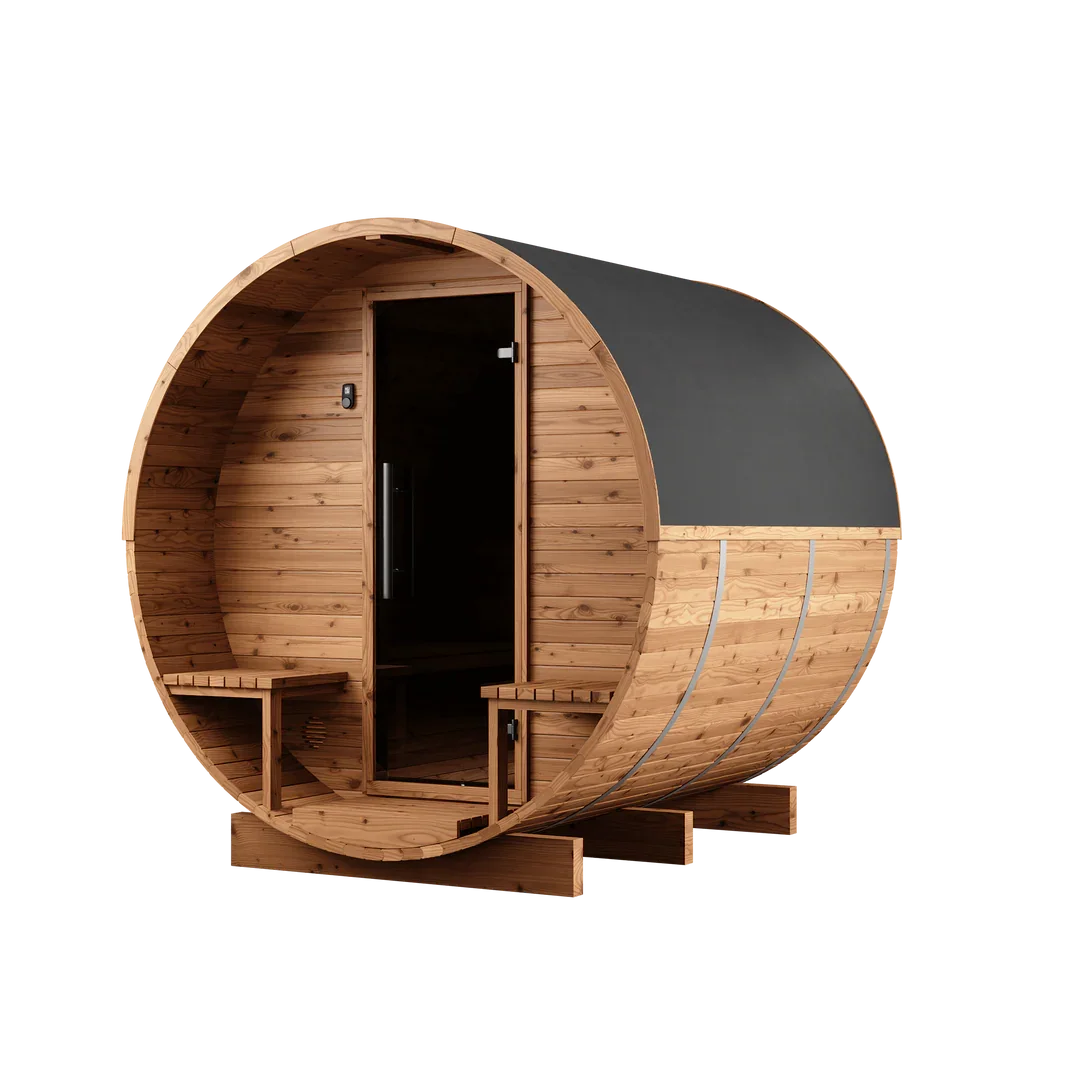
Let's talk money, because it is a fair question. As a rough guide for 2026: a compact infrared cabin tends to land somewhere around £1,500 to £6,000, a barrel sauna often works out at £6,000 to £15,000 once it is installed, and a proper bespoke cabin can be £10,000 to £19,000 and up. On top of the sauna itself, budget for the base, the electrics and any plumbing, which can add another £1,000 to £5,000 or so depending on your garden.
And here is where I will gently steer you. I tend to point clients away from the very cheapest options, and not to be snobby about it. A sauna lives outdoors and goes through a proper heat-then-cold cycle every time you use it, so the budget end, thin timber, weak insulation, an underpowered heater, tends to show its limits quickly, in how it performs, how long it lasts and how it feels to sit in. A good one is bought once. A cheap one is too often bought twice. Spend where it counts.
A few suppliers that I like
I am not tied to any one brand, which means I can point you towards whatever actually suits your garden, your taste and your budget. A few I rate, at different ends of the scale:
GymCraft's "Luma" barrel: an insulated barrel that heats up in about 25 minutes, app-controlled, compact and full of character. A lovely, space-savvy way into the premium end.
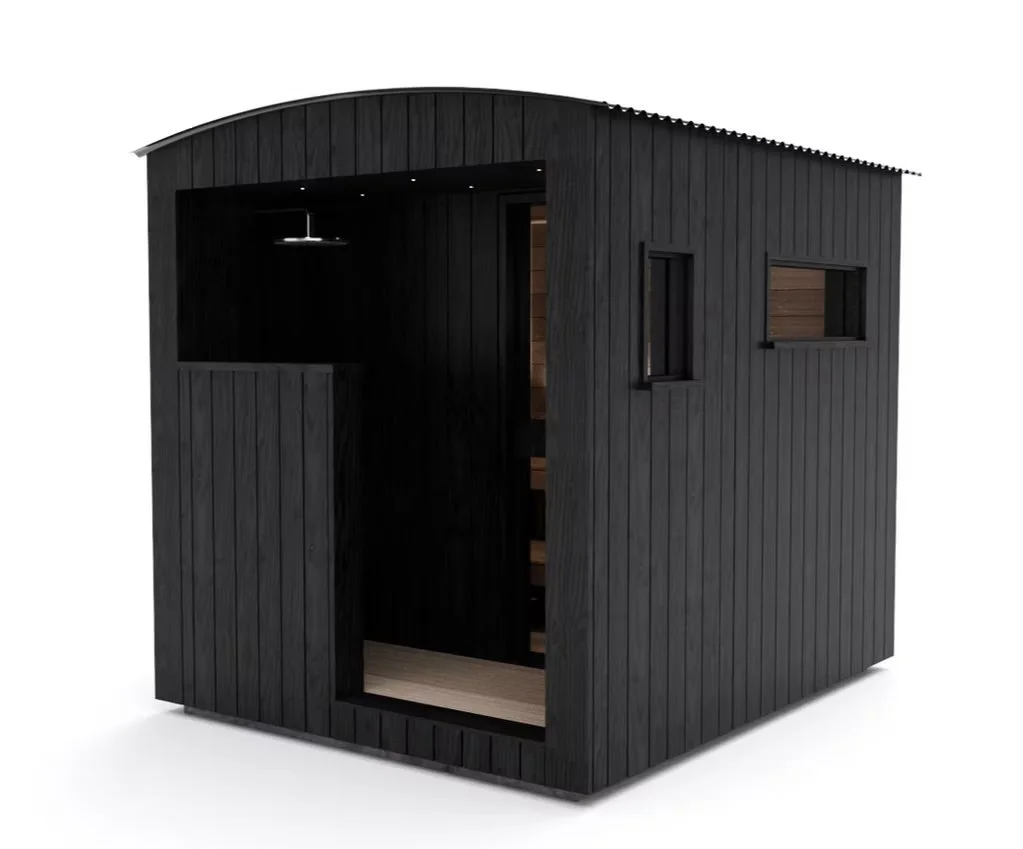
Wildhut: beautifully minimal, architectural cabins from two up to eight people, for when you want something properly design-led.
Ember & Ice: more of a whole-wellness approach, saunas alongside ice baths, contrast therapy and red light, all designed bespoke. For the client who wants the full ritual, not just the cabin.
The Farm House Living offers a range of outdoor wellness, including hot tubs, ice baths and swimming pools
Questions worth asking yourself first
Before you buy anything, it helps to get clear on a few things, and these are the exact questions I would ask you:
How will you use it? Quiet relaxation, recovery after training, or family weekends?
How many people, realistically, at once?
Where could it go, and how much room have you got?
Is it a standalone thing, or part of a bigger plan for the garden?
Then the practical layer, which is where a site visit earns its keep: access for delivery, the base it will sit on, the power and any plumbing. Get that right from the start and you save yourself a lot of head-scratching later.
A real one: a garden in East Grinstead
To bring it to life, I recently designed a sauna into a garden in East Grinstead. (Photos to follow, this one is freshly finished.) We sited it to catch the afternoon light and a glimpse of a view, but tucked it away enough to feel private, and screened it with planting so it feels like its own little retreat rather than a box on the lawn. We ran a proper path to it from the house so it gets used in the depths of winter, added lighting so it is inviting after dark, and put in a cold shower for that all-important contrast.
The detail I love most, though, is the Himalayan salt wall inside. I will be straight with you, a salt wall is not going to cure anything on its own, but the warm amber glow it gives off, with the heat, is just gorgeous and genuinely calming. It is the thing that takes the space from "nice sauna" to "I never want to leave".
So, thinking about it?
A sauna is one of the best things you can add to a garden, but the box is only half the story. The difference between one that feels like a proper sanctuary and one that feels like a shed on a slab is everything around it: where it sits, how you get to it, what is planted around it, the light, the contrast, the finish.
That is the bit I do. I will help you choose the right sauna from makers I trust, and design it into your garden so it actually gets used, all year round. If a garden sauna is on your wishlist, let's have a chat about how it could work in your space.
